
In modern marketing, attention is earned emotionally before it’s justified logically. Before an audience processes a brand message, a call to action, or even a story arc, they first decide subconsciously how something makes them feel. That emotional response determines whether they keep watching, scroll past, or take the next step.
At Kamelot Productions, we don’t treat emotion as a byproduct of good visuals. We treat it as something that can be designed, controlled, and amplified through intentional production choices.
Static shots inform. Movement engages. Live-action storytelling thrives on momentum, not chaos, but purposeful motion. Camera movement guides attention, creates urgency, and establishes rhythm long before an edit is assembled.
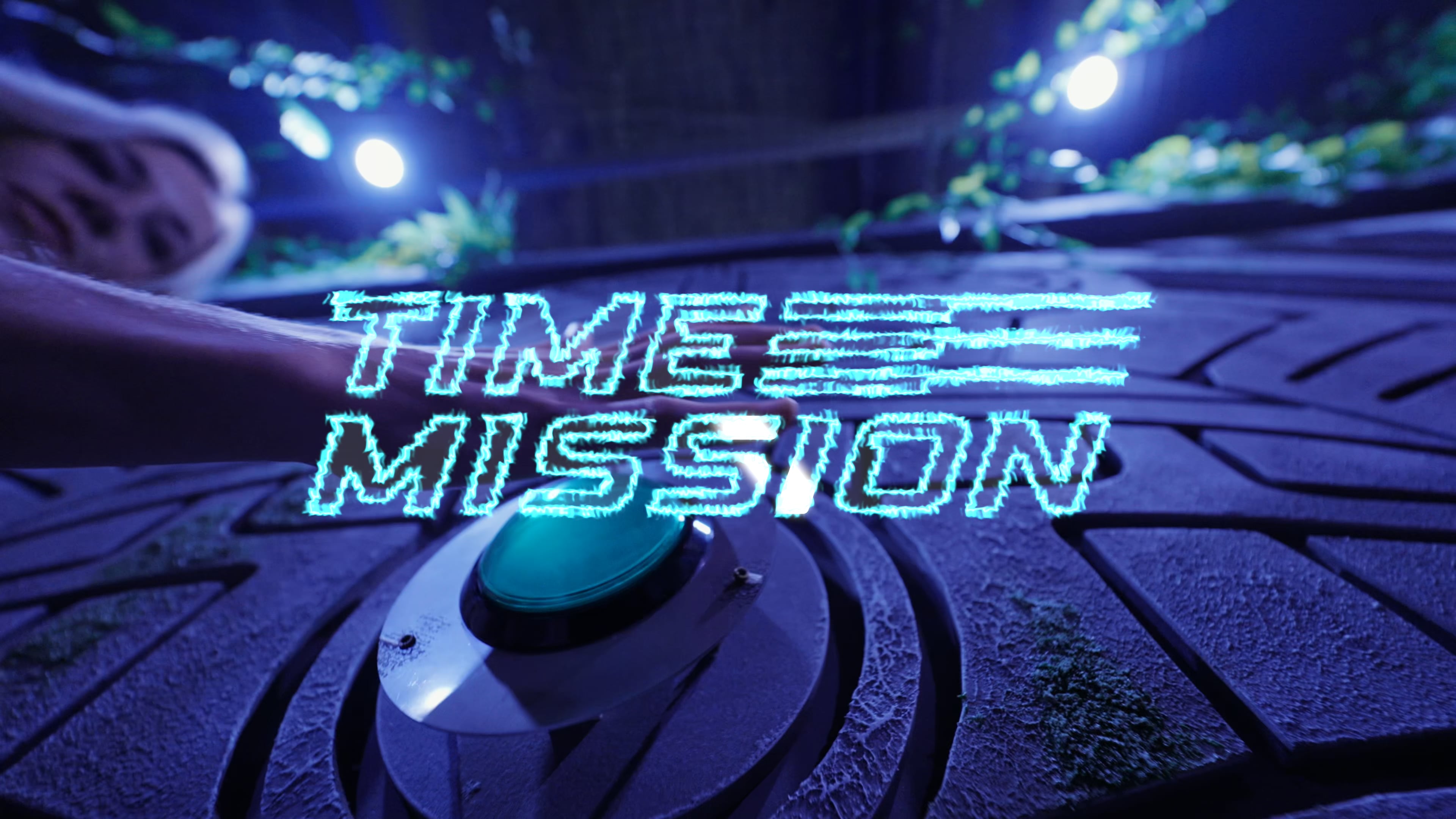
In projects like Time Mission below, movement isn't added for spectacle. It's used to:
Every move has a reason.
FPV (First-Person View) has become one of the most powerful tools in modern storytelling — not because it’s flashy, but because it’s experiential. Unlike traditional coverage, FPV:
When used intentionally, FPV doesn’t distract, it connects. It allows the audience to feel present, not passive, which dramatically increases emotional impact.
Footage captures moments. The edit creates a feeling. Even without dialogue or messaging, an edit can:
Cutting to music, respecting pauses, and allowing moments to breathe are all part of emotional pacing. Fast doesn’t mean rushed, it means controlled energy. In Time Mission, the edit serves as the nervous system of the piece, guiding the viewer's experience every second.
Sound is often felt before it’s noticed. Layered sound design, including impacts, transitions, and environmental texture, is what turns visuals into experiences. It adds weight, scale, and realism, making the viewer feel like they’re there, not just watching. When sound design aligns with movement and pacing, emotion becomes unavoidable. From buttons being pushed to people cheering, sound design brings life and reality to the striking visuals.
The goal isn't just to impress, it’s to move. Whether the objective is to apply, attend, join, or believe, emotion is what bridges the gap between awareness and action. When movement, FPV, editing, and sound design work together, the result is storytelling that doesn’t just look cinematic, it performs. That’s the difference between content and experience.


